
Why Language Is STEM. Redefining Education as Math, Engineering, Language, Technology, and Science (MELTS)
なぜ語学は「STEM」なのか:教育を「MELTS(数学・工学・語学・技術・科学)」として再定義する
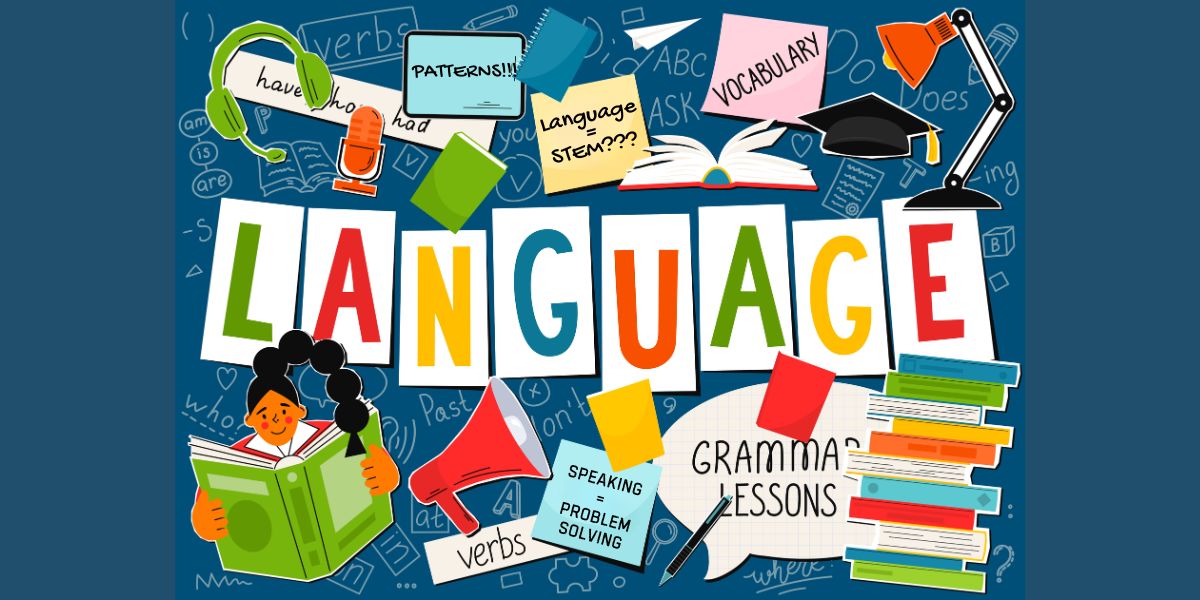
I’ve always been a left-brained math and science guy who loves rules, systems, and geometric proofs, which is why I’ve never quite understood my own proclivity towards the humanities, literature, storytelling, and languages. And yet, since the myth of brain hemispheres has long been debunked, why has no one exorcised the lingering haunts that foreign language proficiency is something attained only through creativity, tone, pattern recognition, emotional intelligence, culture, music, stories, and all the other skills, features and functions we associate with the soft sciences and humanities? In the past decade, educators have put a lot of stock, importance, and in many cases inordinate funding, into STEM—a clever acronym that pulls together science, tech, engineering, and mathematics—but somehow, linguistics and language learning has been shortsightedly left out.
私は昔から、ルール、システム、幾何学の証明を好む左脳派の数学・科学人間でした。そのため、人文学、文学、ストーリーテリング、そして語学に対して自分自身が寄せる嗜好を、なかなか完全には理解できずにいました。左脳・右脳の役割分担という誤解がとうの昔に否定されてもなお、外国語習得が「創造性、トーン、パターン認識、感情的知性、文化、音楽、物語」といった、人文・社会科学と関連付けられるスキルや特性のみによって達成されるという根強い思い込みを誰も払い落としていないのはなぜでしょうか? 過去10年間、教育関係者はSTEM(科学・技術・工学・数学をまとめた巧妙な略称)に多大な期待と重要性を寄せ、多くの場合過剰なほどの予算を投じてきましたが、どういうわけか言語学や語学学習は、そこから外されてきました。
The irony, of course, is that language learning is one of the most system-driven disciplines we teach. Strip away the outdated image of vocab lists and verb charts, (if you can even still picture language acquisition in that way!) and what’s left is a network of patterns, rules, and structures that students must learn to navigate, manipulate, and apply in real time. Syntax, morphology, agreement, register, tone—each layer operating within its own logic, all interacting simultaneously. In other words, language is as expressive as it is computational. Students of a world language are running a constant system, calculating how meaning is built, adjusted, and understood.
皮肉なことに、語学学習は私たちが教える学問の中で最もシステム駆動型な分野の一つです。単語リストや動詞の活用表といった時代遅れのイメージを削ぎ落としてみれば、後に残るのは、学生がリアルタイムで理解し、操作し、適用することを学ばなければならない「パターン、ルール、構造のネットワーク」です。統語論、形態論、呼応、使用基準、トーン――それぞれの層が独自のロジックの中で機能し、そのすべてが同時に相互作用しています。言い換えれば、語学は表現的であると同時に計算的でもあるのです。外国語を学ぶ学生は常にシステムを作動させ、意味がどのように構築され、調整され、理解されるかを計算しているのです。
How STEM Could Actually Become MELTS (Math, Engineering, Language, Technology, Science)
STEMがMELTS(数学・工学・語学・技術・科学)になり得る理由
We’ve long since abandoned any notion that language proficiency consists of memorizing forms, having now recognized the importance of identifying patterns, predicting outcomes, and applying rules across contexts. If you can agree with that sentiment, then arguably, language is basically just math with words instead of numbers! Verb conjugations aren’t all that different from a formula; a sentence structure isn’t so far from an equation. My best language students, the nerdiest ones, test what happens when they change one element, observe the result, and refine their understanding. Again, pattern recognition, systems thinking. All computational-style nerding out.
「語学力とは文型や形態を暗記することである」という考え方はとうの昔に捨て去られ、現在ではパターンを特定し、結果を予測し、文脈全体にルールを適用することの重要性が認識されています。この意見に同意していただけるなら、おそらく語学とは基本的には「数の代わりに言葉を使った数学」に過ぎないと言えます。動詞の活用は公式とそれほど変わりませんし、文構造は方程式とそう遠くありません。私の教え子の中で最も優秀でマニアックな学生たちは、一つの要素を変えたときに何が起こるかをテストし、結果を観察し、理解を洗練させます。これこそまさにパターン認識であり、システム思考です。すべて計算科学的なスタイルの探求なのです。
Let’s pivot to science and engineering next: in the same vein, every attempt to communicate is a test case–an experiment, if you will. Students try something, get feedback—sometimes explicit, sometimes just a confused look—and adjust. I make sure to avoid directly correcting them, because in most real-life applications, people could respond with a wide variety of reactions, only one of them being a corrected reiteration of their interlocutor’s message. So, the student rephrases, simplifies, expands, and tries again. It’s the “build, test, revise” approach. It’s the engineering design process, just happening in conversation instead of a lab.
次に科学と工学に視点を移してみましょう。同じように、コミュニケーションをとろうとするすべての試みは一つのテストケースであり、言わば実験です。学生は何かを試み、フィードバックを受け(明示的なこともあれば、単に困惑した表情のこともあります)、それを調整します。私は学生を直接訂正することは避けるようにしています。なぜなら現実に即した多くの場面において、人々は多種多様な反応を返す可能性があり、相手の発言を訂正して言い直してくれるのはそのうちのほんの一例に過ぎないからです。だからこそ、学生は言い換えたり、単純化したり、補足したりして再挑戦します。これは「構築・テスト・修正」のアプローチであり、実験室ではなく会話の中で起きているエンジニアリング設計プロセスなのです。
In a live conversation, students are processing input, selecting structures, generating output, and adapting on the fly. I love when a student gets nervous in a recording and wants to hit pause in between sentences: there’s no pause button! No debugger! When something breaks, speakers of a language must patch it in real time—switching vocabulary, restructuring sentences, leaning on verbal and nonverbal context. Utilizing a language (especially not one’s first or native tongue) is live processing under pressure, and it demands both precision and flexibility.
リアルタイムの会話において、学生はインプットを処理し、構造を選択し、アウトプットを生成し、その場で適応しています。録音中に緊張した学生が文と文の間で一時停止を押したくなるときがあるのですが、私はその瞬間が好きです。一時停止ボタンなんてありません。デバッガーもありません。何かが破綻したとき、話し手はリアルタイムでそれを修正しなければなりません――語彙を切り替え、文を再構築し、言語的・非言語的な文脈に頼るのです。言語(特に母国語ではない言語)を使用することは、プレッシャー下でのリアルタイム処理であり、正確性と柔軟性の両方が要求されます。
You can see this most clearly in a classroom when a student hits a wall mid-sentence. They pause, pivot, and rebuild the idea with the tools they have. They naturally ask me for a solution, but I’ll often refuse to give them a word, so they have to describe around it. Maybe the structure of their intended communication collapses, so they’re forced to simplify and try again. And then, on a good day, I get to see the moment it clicks. The idea lands and “communication” happens.
このことが最も明確に見えるのは、授業中に学生が文章の途中で壁にぶつかったときです。彼らは立ち止まり、方向転換し、手持ちのツールを使ってアイデアを再構築します。彼らは当然私に解決策を求めてきますが、私はあえて単語を教えないことが多く、彼らはその周辺を回りくどく説明せざるを得なくなります。伝えようとしたコミュニケーションの構造が崩壊し、単純化して再挑戦を余儀なくされることもあります。そして運が良い日には、腑に落ちる瞬間を目にすることができます。アイデアが相手に届き、コミュニケーションが成立するのです。
So yes, if I ran the educational word, I’d toss out the tired acronym of STEM and offer MELTS.
ですから、もし私が教育界を動かせる立場にいるなら、見飽きた「STEM」という名称を投げ捨て、「MELTS」を提案するでしょう。
The Case for Testing Differently
「評価方法」を変えるべき理由
If we can get behind language learning as a system, then we should assess it the way we assess other complex skills—not by what students remember, but by what they can do. In STEM classrooms, we don’t stop at definitions or formulas; we ask students to apply them, to test them, to use them to solve problems. And that’s how I run my classes; my quizzes have long since left behind simple vocabulary matching, and rely very little on fill-in-the-blank exercises; even at early levels, my assessments are built around tasks, prompts, and real-life scenarios.
もし語学学習を一つのシステムとして支持できるなら、他の複雑なスキルを評価するのと同じ方法で評価すべきです。つまり、学生が何を覚えているかではなく、何ができるかによって評価するのです。STEMの授業では、定義や公式にとどまりません。それらを適用し、テストし、問題を解決するために使うことを求めます。私の授業もまさにそのように進めています。私の小テストは、とっくの昔に単なる単語のマッチング問題から脱却しており、穴埋め問題にもほとんど頼っていません。初級レベルであっても、私の評価試験はタスク、指示文、そして現実のシナリオを中心に構築されています。
Performance-based assessments like the AAPPL operate in that same space. They don’t ask students to recall isolated rules; they ask students to apply language in context—interpreting meaning, engaging in conversation, and communicating ideas in ways that resemble real-world use. The question shifts from “What do you know?” to “What can you do?” Earning the Seal of Biliteracy serves as a kind of certification—not one saying they’ve completed a sequence of courses, but one that proves they can operate within that system across languages. I like to think of it as a demonstration of applied skill, not just accumulated knowledge.
AAPPLのようなパフォーマンスベースのアセスメントも、まさに同じ領域で機能します。孤立したルールを思い出すことを求めるのではなく、文脈の中で語学を適用すること――意味を解釈し、会話に参加し、実際の使用に似た方法でアイデアを伝えること――を求めます。問いは「知っていることは何か?」から「何ができるか?」へとシフトします。バイリンガル証明の獲得は、単に一連のコースを修了したことを示すものではなく、複数の言語にわたってそのシステム内で機能できることを証明する一種の認証として役立ちます。私はこれを、単に蓄積された知識ではなく、応用スキルの実証と捉えるのが好きです。
Equity for Language Learning
語学学習における「機会の公平性」
I think that hiding underneath all of this, there’s also an access question. When language programs are treated as optional or secondary, in the sad way that music and arts so often get the axe, fewer students stick with them long enough to reach real proficiency. The result is that multilingualism—one of the most valuable skills in a global economy—becomes something reserved for a smaller group of students, rather than a core outcome for all. And above all, I’d argue that students in the United States are among the greatest victims of this pernicious situation.
このすべての根底には、機会の平等の問題も隠れていると考えています。音楽や芸術が削減の対象になりがちな哀しい状況と同様に、語学教育プログラムが任意や二の次のものとして扱われると、本当の語学力に達するまで学習を継続できる学生の数は少なくなります。その結果、グローバル経済において最も価値あるスキルの一つである多言語運用能力が、全員が得られる成果ではなく、ごく一部の学生だけに許された特権になってしまうのです。そして何よりも、アメリカの学生たちこそが、この有害な状況の最大の被害者であると私は主張したいと思います。
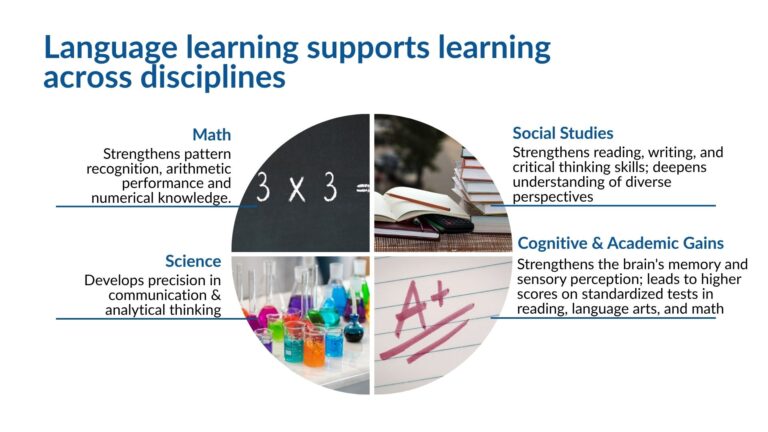
If we’re serious about preparing students for the future, we can’t afford to treat communication across languages as a luxury, or look down on them as some kind of frivolous hobby. Language proficiency belongs alongside the very skills we’ve already decided to prioritize when we continue to perpetuate the importance of STEM. And yet, despite all of this, language programs continue to be treated like electives—flexible, compressible, sometimes even expendable when schedules get tight, while STEM courses are protected, prioritized, and resourced. Language courses are too often asked to fit in around the edges.
学生たちの将来への準備に真剣に取り組むのであれば、言語を超えたコミュニケーションを贅沢品として扱ったり、下らない趣味のように見下したりする余裕はありません。語学力は、私たちがSTEMの重要性を掲げ続ける中で優先すべきだとすでに決定しているまさにそのスキル群と並んで位置づけられるべきものです。それにもかかわらず、こうした事実があるにもかかわらず、STEMの授業が保護され、優先され、リソースが割り振られる一方で、語学プログラムは選択科目のように――柔軟に調整可能で、圧縮でき、スケジュールが厳しくなれば使い捨てにできる存在として――扱われ続けています。語学コースは、端っこの隙間に押し込められることをあまりにも頻繁に求められているのです。
But maybe the issue isn’t that language doesn’t belong in STEM; maybe it’s that we’ve been defining STEM too narrowly. Because when students are recognizing patterns, testing hypotheses, solving problems in real time, and applying a complex system to communicate across cultures, they’re not just learning a language. They’re engaging in the kind of thinking we claim to value most. What scientists, engineers, and mathematicians do, language learners do too—just in another language.
しかし、本当の問題は「語学がSTEMに含まれないこと」ではなく、私たちが「STEMをあまりにも狭く定義し過ぎてきたこと」にあるのかもしれません。なぜなら、学生がパターンを認識し、仮説を検証し、リアルタイムで問題を解決し、文化を超えてコミュニケーションをとるために複雑なシステムを適用しているとき、彼らは単に語学を学んでいるだけではないからです。彼らは、私たちが最も価値があると主張しているまさにその思考法を実践しているのです。科学者、エンジニア、数学者が行っていることを、語学学習者も行っています――ただ、別の言語で行っているというだけの違いなのです。
Bring AAPPL to your school and district today. Contact us.
最高基準のアセスメント「AAPPL」を、あなたの学校や学区に導入してみませんか? お問い合わせはこちら。